Turtle Treasures by NaomiTurtle Treasuresby Naomi

Naomi's turtles

The turtles behind the treasures

As a Sea Turtle Hero, you're joining the mission and helping support real sea turtle conservation. Here's some of who, and what, you're helping.

Clarissa Cobblecrumb, Loggerhead Sea Turtle
Satellite-tracked in the wild
Loggerhead Sea Turtle

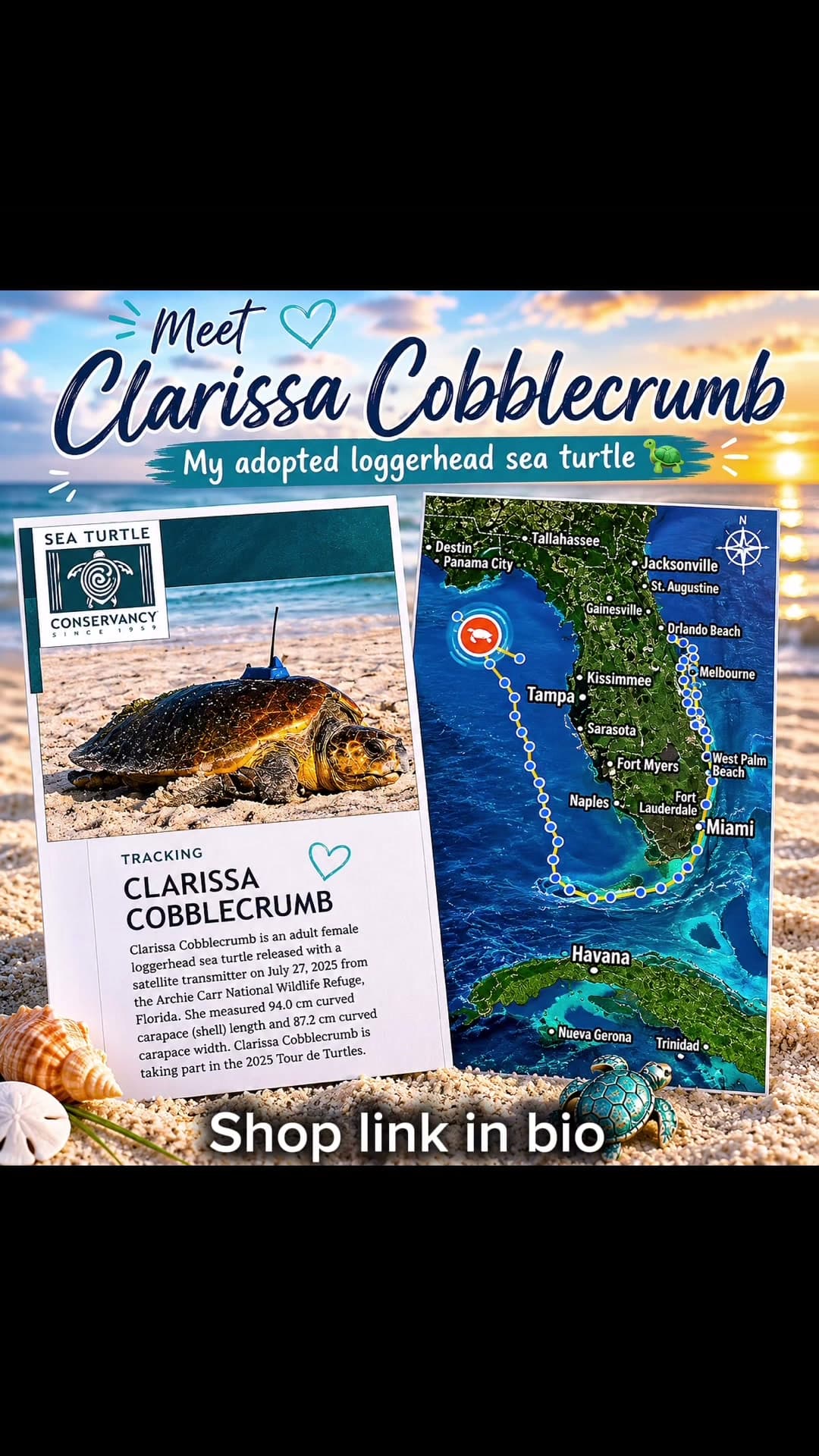
Clarissa Cobblecrumb

Clarissa has a small tracking device attached to her shell that lets scientists follow her travels. Anyone can watch where she goes as she swims through the ocean — and she goes far.

What Clarissa taught me: Clarissa showed Naomi how far sea turtles travel, and why they need protection in many different places, not just one beach.
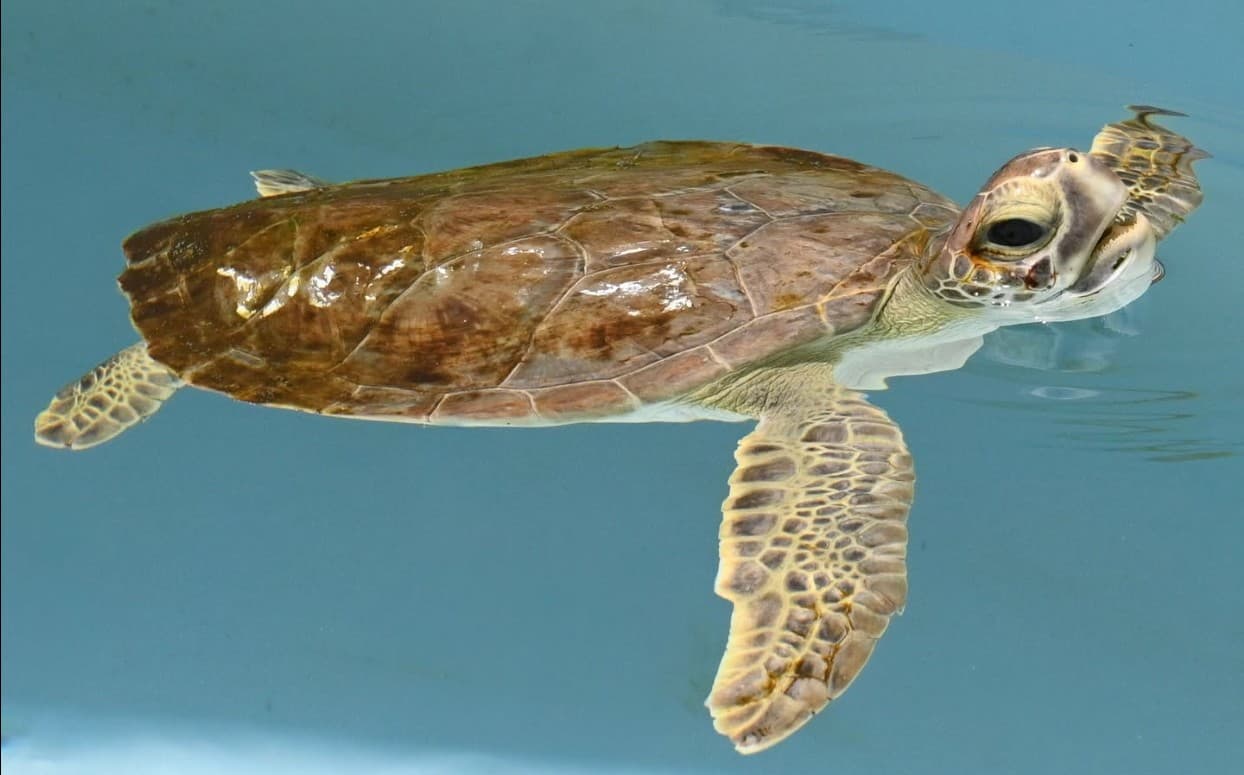
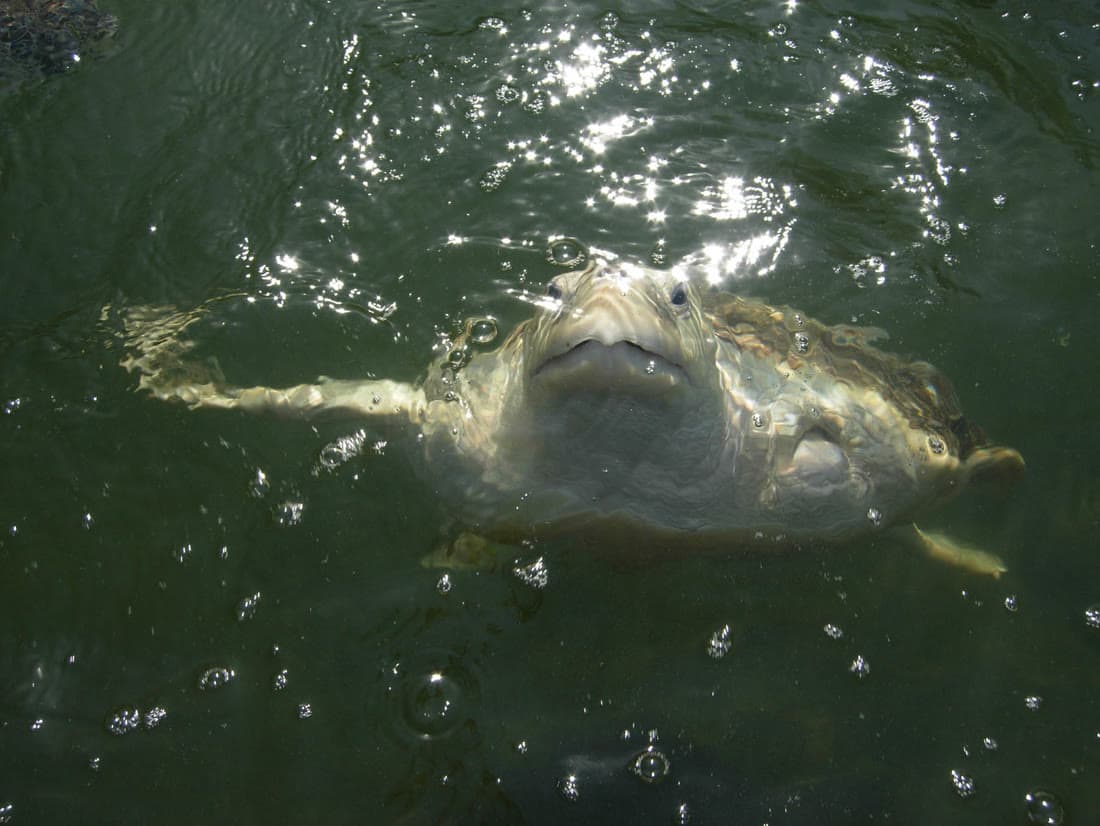
Beluga, Green Sea Turtle (juvenile)
Adopted & learning
Green Sea Turtle (juvenile)

Beluga

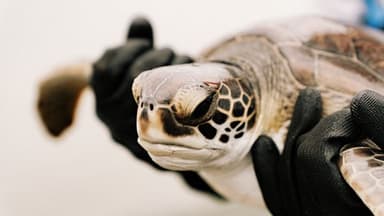
Beluga is a juvenile green sea turtle. Green sea turtles can weigh over 300 pounds when they're grown and mostly eat seagrass — like underwater lawnmowers that keep ocean meadows healthy.

What Beluga taught me: Beluga helped Naomi understand green sea turtles and the challenges they face in the wild while they're still young and small.

Bender, Kemp's Ridley Sea Turtle
Permanent resident — The Turtle Hospital, Marathon, FL
Kemp's Ridley Sea Turtle

Bender

Bender has been through a lot. She was hit by a boat and became entangled in fishing gear, and because of her injuries she lost her left front flipper. She can't survive in the wild anymore, so she lives as a beloved permanent resident at The Turtle Hospital in the Florida Keys — where she's been inspiring visitors since 2005. Kemp's ridleys like Bender are the rarest sea turtles on Earth.

What Bender taught me: Bender taught Naomi how dangerous boat strikes and fishing gear are for sea turtles — and how brave a turtle can be.

Together, we're adopting and rehabilitating sea turtles, protecting their nests and the future generations inside them, and backing the rescue and rehabilitation centers that heal injured sea turtles.

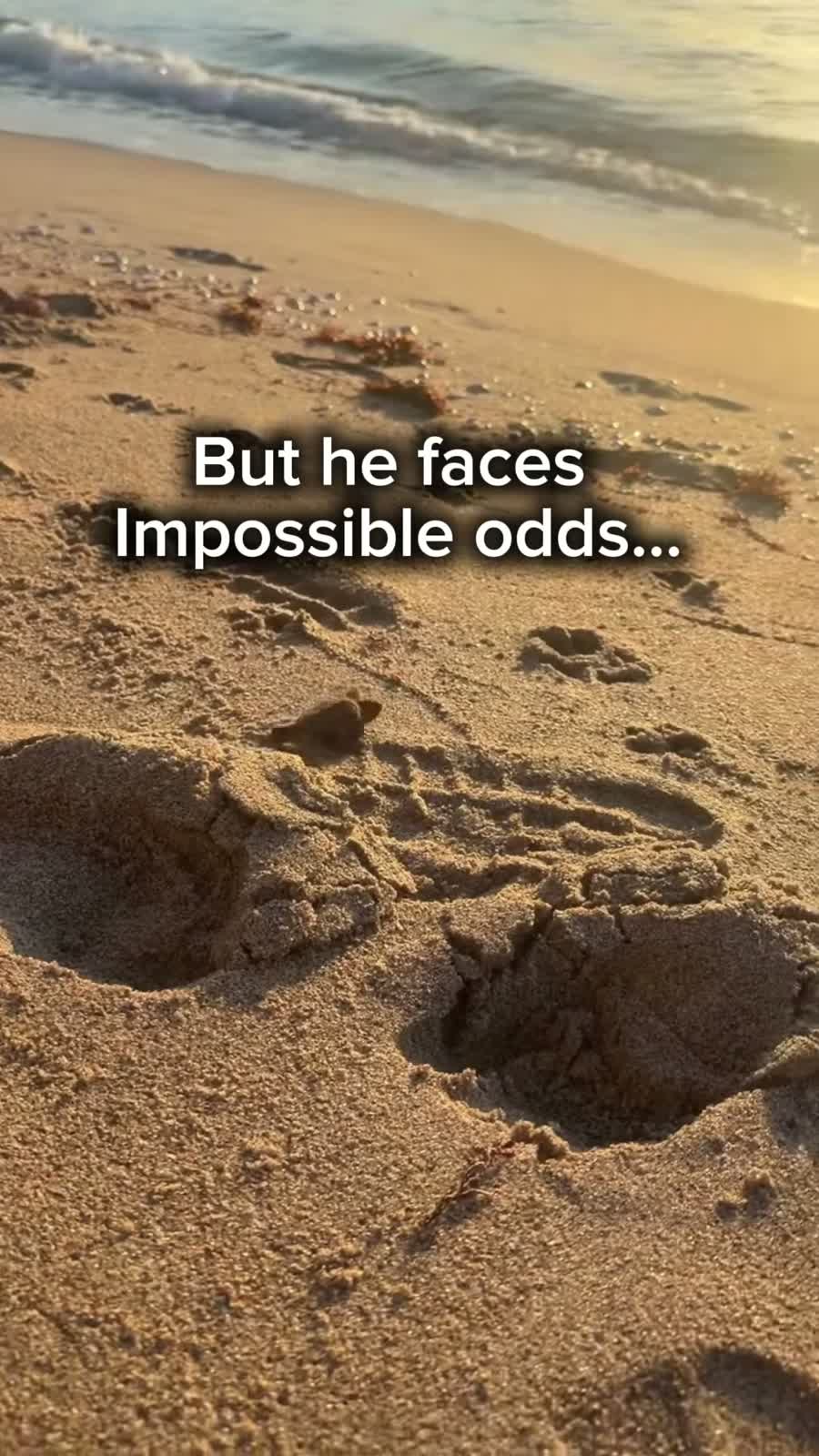
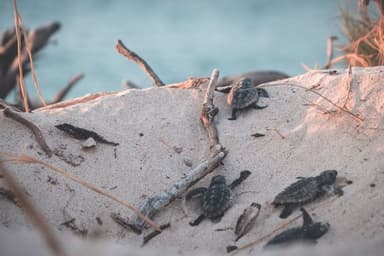
A baby sea turtle making its way to the ocean at sunset

Protected nests

Nests full of tiny future ocean travelers

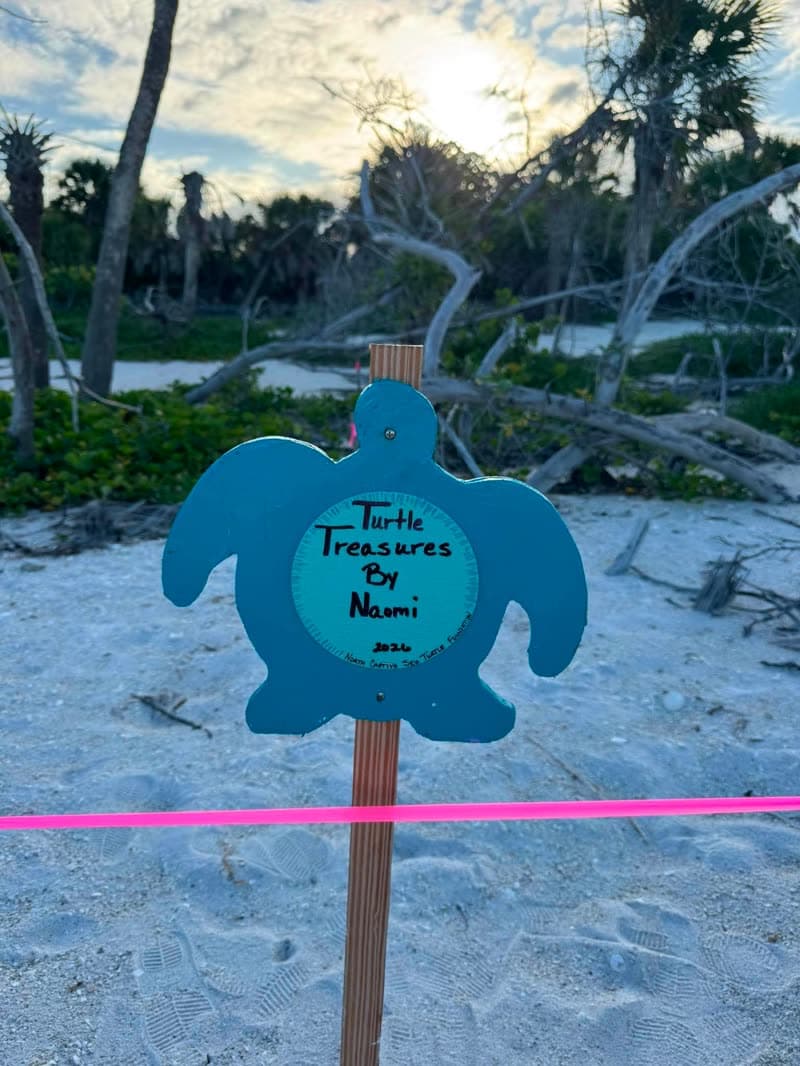
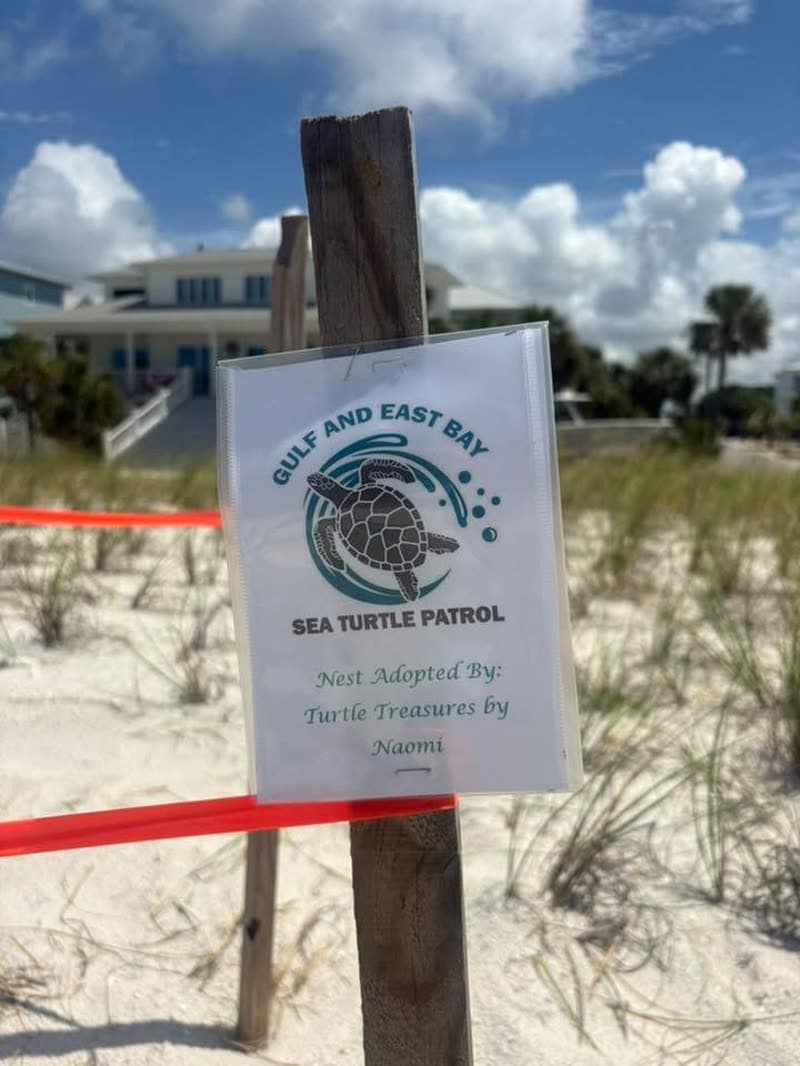
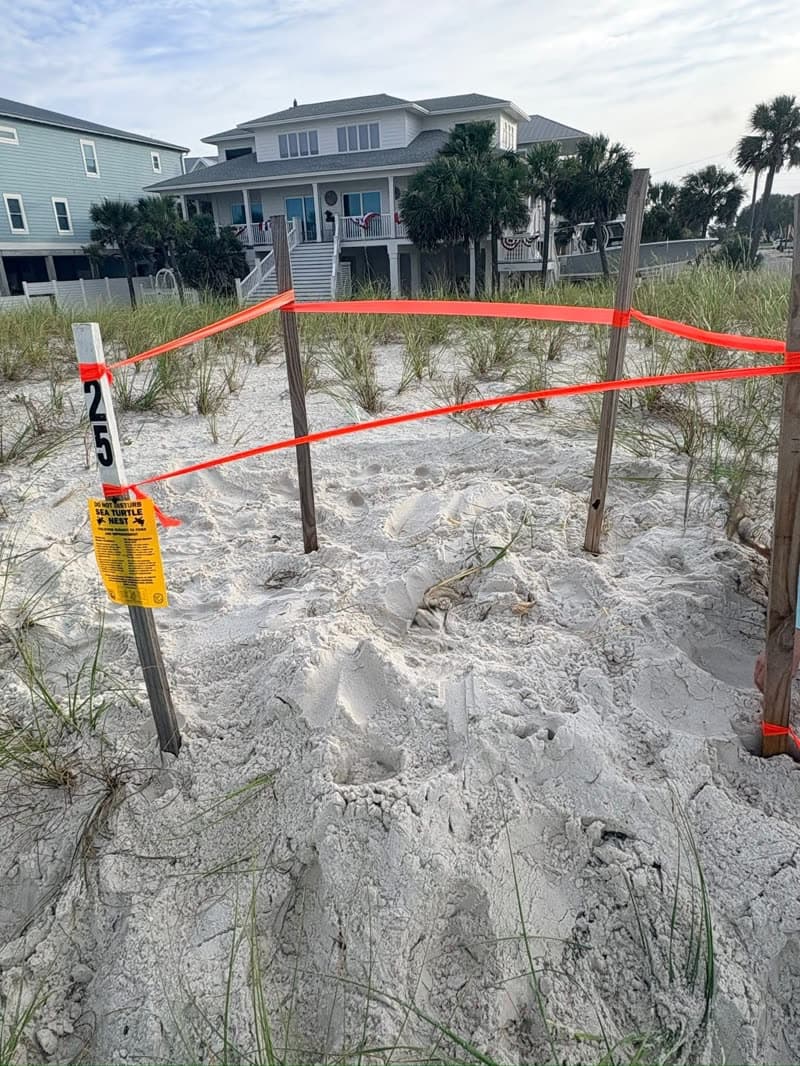
Naomi has adopted sea turtle nests across Florida. Each one protects real eggs — baby sea turtles that will one day scramble down the sand and disappear into the waves.

Baby sea turtles from Naomi's First Adopted Nest

Naomi's First Adopted Nest · Florida Gulf Coast

Naomi's very first nest. Knowing real eggs were protected inside felt amazing — every nest is a reminder that small actions make a difference.

Baby sea turtles from Nesting Season Sponsorship

Nesting Season Sponsorship · Florida

One of several nests Naomi has supported across Florida, each one full of baby sea turtles getting ready to find the waves.

Here are some of the adopted sea turtles, nests, and conservation efforts Naomi has supported so far — and together with your support, we'll reach so many more and do so much good for our sea turtles and oceans.

Naomi's favorite sea turtle facts

Every fact comes with one of Naomi's real sea turtle videos.

01

Female sea turtles can return to the very beach where they were born to lay their eggs.

02

Some sea turtles can stay underwater for up to seven hours.

03

Many sea turtles live more than fifty years.

04

Leatherbacks can weigh over 1,000 pounds and dive almost 4,000 feet deep.

05

Green sea turtles can weigh over 300 pounds and mostly eat seagrass.

06

Sea turtles can feel vibrations through their shells.

07

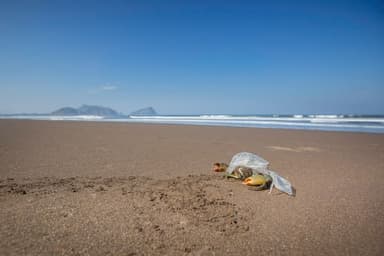
Sea turtles sometimes mistake plastic bags for jellyfish — one big reason to keep our oceans clean.

08

Sea turtles are a keystone species: protecting them helps keep entire ocean ecosystems healthy.

Why sea turtles need us

Endangered — but not without hope

Sea turtles face boat strikes, fishing gear, pollution, and plastic that looks just like jellyfish. They're a keystone species — protecting them protects the whole ocean. The good news? Everyday actions really do help.

Use less plastic

Turtles mistake floating bags for jellyfish. Reusable bags and bottles really help.

Fill holes at the beach

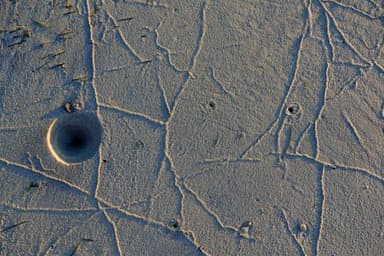
Hatchlings and nesting mamas can get trapped in holes left in the sand.

Keep beaches dark in nesting season

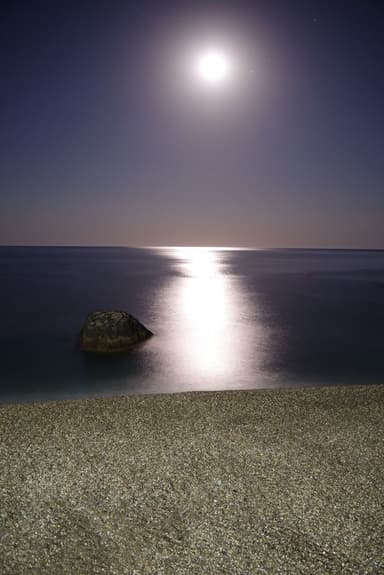
Bright lights confuse turtles. Moonlight should be the only glow.

Never disturb a nest

Give marked nests plenty of space and keep dogs and chairs away.

Support rescue centers

Rehabilitation centers heal injured sea turtles and release them home — and give lifelong care to the ones, like Bender, who can't go back.

Report a hooked turtle

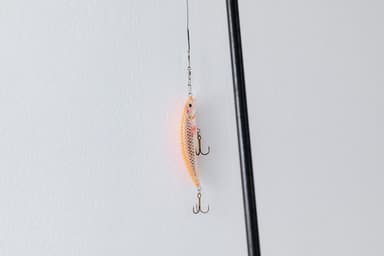
If a turtle is hooked on a fishing line, call local wildlife rescue instead of cutting the line.

Reduce chemical runoff

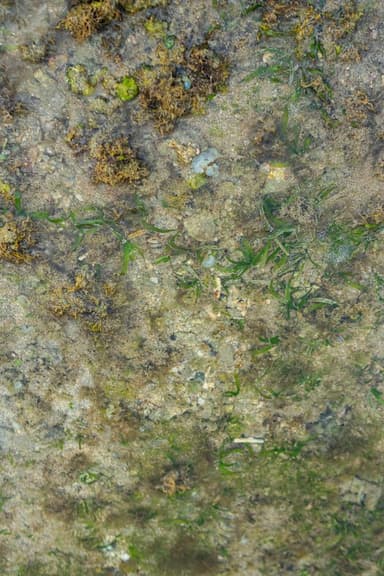
Fertilizers and chemicals wash into the ocean and harm the seagrass turtles eat.

“When many people work together, small actions have a big impact.” — Naomi

Join the mission — become a Sea Turtle Hero